Introduction
Snake attacks are a major medical emergency that can occur in numerous atmospheres, specifically in areas where serpents prevail. In Australia alone, there are numerous varieties of venomous serpents such as the Tiger Serpent, Eastern Brown Snake, and King Brown Snake. Understanding just how to properly manage snake attacks is essential for any person who spends time outdoors or lives in rural areas. This write-up will discover thorough emergency treatment management approaches for snake bites and describe finest methods for reacting to these incidents.
First Aid Management of Serpent Bites: Best Practices for Every Situation
When managing a serpent bite, the first action can substantially influence the victim's end result. Immediate action is critical because swift clinical intervention often establishes the level of injury or survival rate. Here are important first aid concepts to keep in mind:
Stay Calm: The initial step in managing a snake bite is to continue to be calm. Panic can raise heart rates and boost the spread of poison throughout the body. Call for Help: Dial emergency solutions promptly. Provide them with your place and any information about the snake if possible. Keep the Target Still: Encourage the victim to stay as still as feasible. Motion can enhance blood flow, speeding up poison absorption into the bloodstream. Positioning: If practical, place the damaged limb at or listed below heart level. This positioning assists slow down venom spread. Remove Limited Clothing: Loosen up any kind of apparel or precious jewelry around the bite site; swelling might occur quickly after a serpent bite. Do Not Use Ice/Cold Packs: Contrary to common belief, using ice can get worse tissue damages and need to be avoided.Understanding Serpent Species and Their Habitats
Tiger Snakes and Their Habitat
Tiger serpents (Notechis scutatus) are amongst Australia's the majority of infamous venomous Differences between Australian taipans and brown snakes snakes due to their hostile nature and potent venom.
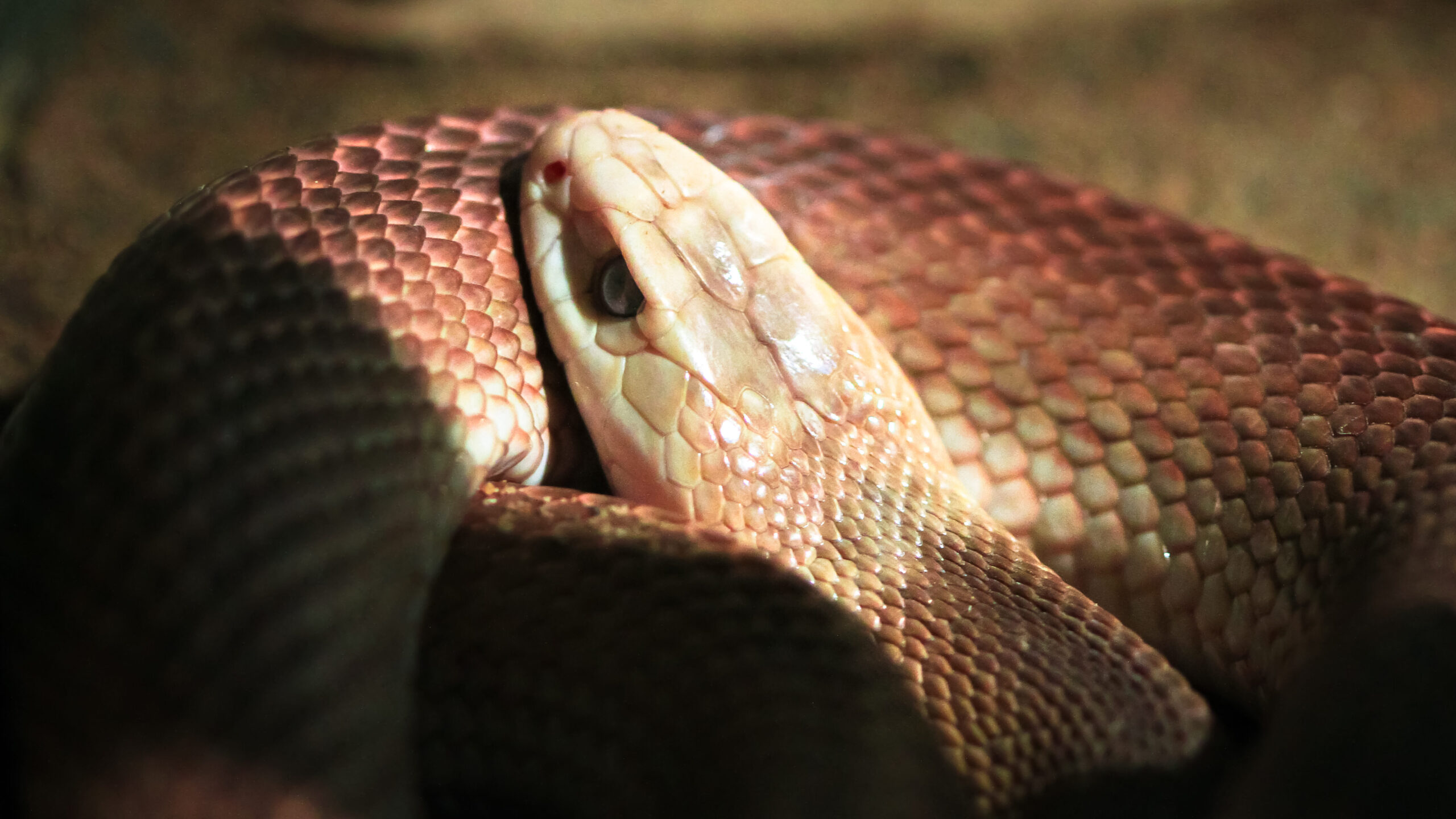

- Habitat: They typically live in coastal regions, wetlands, and areas with thick plants like marshes and swamps. Risks: Understanding of neighborhood tiger snake environments can reduce the danger of running into one unexpectedly.
Eastern Brown Snakes: A Considerable Threat
The Eastern Brown Snake (Pseudonaja textilis) is one more very venomous species discovered throughout eastern Australia.
- Habitat: This serpent flourishes in urban locations, agricultural lands, and grasslands. Behavior: Known for its quick strikes when endangered, understanding its behavior may help minimize encounters.
Recognizing Signs and symptoms of Serpent Bites
Identifying signs beforehand can improve opportunities of effective therapy:
Local Symptoms:
- Pain and swelling around the bite site Discoloration or bruising
- Nausea or vomiting Difficulty breathing Signs of shock (e.g., pale skin, quick heartbeat)
First Aid Protocols for Details Snake Bites
First Aid for Tiger Serpent Bite
In situation of a tiger snake bite:
Stay tranquility; keep still. Call emergency solutions immediately. Immobilize the affected limb using a splint if available. Do not try to suck out poison or use ice.
First Help for Eastern Brown Snake Bite
For an eastern brownish serpent bite:
Keep tranquility; guarantee the victim. Call emergency situation services without delay. Position them conveniently while staying clear of movement. Mark the sides of swelling with a pen when possible for observation.Creating Your Snake Bite First Aid Kit
A well-prepared emergency treatment package can make all the difference during emergencies:
|Item|Purpose|| -------------------------------|---------------------------------------------------|| Compression bandages|To debilitate arm or legs|| Sterilized gauze|To cover wounds|| Antihistamines|For allergic reactions|| Emergency situation call numbers|Quick accessibility throughout situations|| User's manual|Step-by-step support on dealing with emergencies|
What Must You Never Do When Dealing With a Snake Bite?
Here's a list of typical challenges when dealing with serpent attacks:
Do not use tourniquets; they can create even more damage than good. Avoid reducing right into or attempting to draw out poison from the wound. Never give alcohol or energizers to targets as it could aggravate their condition.FAQs Regarding Emergency treatment Administration of Snake Bites
1. What need to I do if I see a snake?
Stay calm and back yellow-faced whip snake away slowly without abrupt movements.
2. Exactly how do I identify if a serpent is venomous?
Research regional species' features; many have distinctive color patterns or markings.
3. Can I utilize ice on a serpent bite?
No, applying ice can enhance tissue damage.
4. How much time do I have after being attacked before seeking medical attention?
Seek medical focus instantly-- time is important with venomous bites!
5. Is it risk-free to drive myself to the health center after a bite?
No! It's risky as signs may intensify en course; wait for expert help.
6. Are all serpents in Australia dangerous?
No! While Australia has numerous hazardous serpents, there are additionally non-venomous types that posture no threat.
Conclusion
The first aid management of snake bites needs punctual activity incorporated with knowledge concerning regional varieties' habits and environments like those of tiger serpents and eastern brownish serpents in Australia. By adhering to best techniques detailed above-- such as staying calm, calling emergency services promptly, and recognizing what not to do-- you considerably boost survival opportunities after such accidents occur.
Equipping on your own with understanding concerning various kinds of serpents in your location and preparing an appropriate first aid package will ensure you prepare should an encounter arise-- making you better prepared to handle this potentially dangerous scenario effectively!